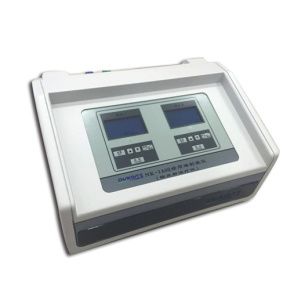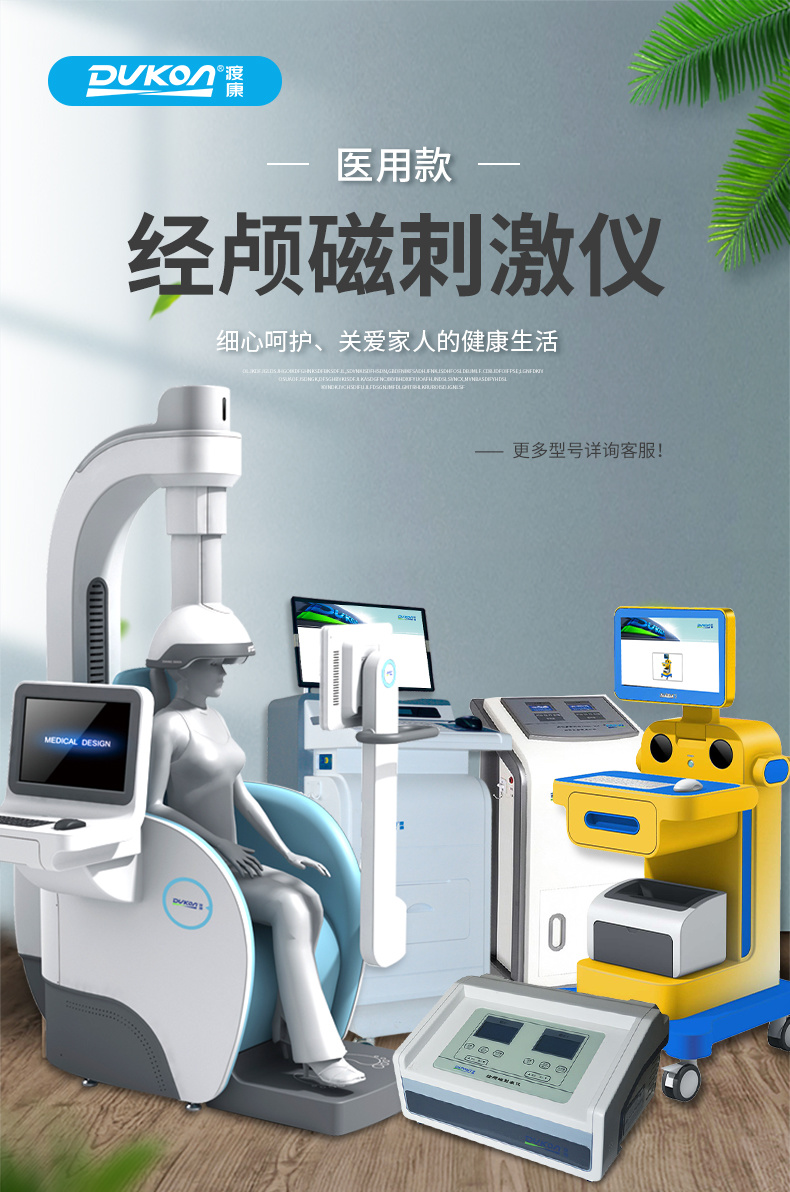
Features and advantages
Features of Transcranial Magnetic Stimulation (TMS)
Transcranial magnetic stimulation, English (Transcranial Magnetic stimulation) abbreviation TMS. It is a kind of beneficial pulse electromagnetic field and alternating electromagnetic field, which acts on the central nervous system of the brain. It uses the induced current generated by electromagnetic field to change the membrane potential of cerebral cortex nerve cells, affect the metabolism and nerve potential activity in the brain, and cause a series of physiological functions. reaction.
Advantages of repetitive rTMS transcranial magnetic stimulation
The principle of repetitive transcranial magnetic stimulation (rTMS) is the same as that of single-pulse transcranial magnetic stimulation (TMS). The difference is that repetitive transcranial magnetic stimulation can also stimulate neurons in the refractory period, so it can excite more neurons in the horizontal direction, not only causing biological effects, affecting the local and functionally related distant cortex functions of stimulation, and realizing regional reconstruction of cortex functions. The biological effects produced can last for a period of time after the stimulation, it has become a good tool to study the functional reconstruction of neural networks.
rTMS transcranial magnetic stimulation overcomes the defect that current cannot enter the brain
The skull is a non-conducting organism. Using the traditional electrical stimulation method, the current cannot enter the intracranial, and the current cannot stimulate the brain. However, electromagnetism has the characteristics of being basically consistent with the permeability of biological tissues. Magnetic lines of force can easily penetrate the skull to reach the deeper tissues in the brain without trauma. Electromagnetism directly acts on brain cells to generate induced currents. Under the condition of appropriately increasing the current, the electric field can effectively change the membrane potential of cells themselves, promote the changes of cell axons, and improve brain neurons and related functions through repeated rTMS stimulation. This way of adjusting neurons by improving the cell membrane potential is impossible to achieve by traditional electrical stimulation and other physical methods.
History of transcranial magnetic (TMS/rTMS) stimulation
In 1985, Barker developed the first transcranial magnetic field stimulator and began stimulating the motor cortex of the human brain with continuous magnetic field lines, which was the beginning of modern transcranial magnetic stimulation (TMS). Since 1986, reports on magnetic stimulation have increased year by year. In 1992, American companies introduced the first repetitive magnetic stimulator (rTMS). By the beginning of this century, transcranial magnetic stimulation had been widely used in various neurological fields. In 2010, Shijiazhuang Dukang Medical Equipment Co., Ltd. perfectly combined transcranial magnetic stimulation with simulated bioelectrical stimulation of cerebellar fastigial nucleus to develop a new generation of transcranial magnetic stimulator, which provided convenience for clinical application and research in medical institutions at all levels.
Application field of transcranial magnetic stimulator
Cognitive discipline-used to improve learning ability, memory, language ability.
Psychiatry-for the improvement of specific brain functions affecting the dorsolateral cortex of the prefrontal lobe.
Neurology-Pathways for Stimulation of Central and Peripheral Nerves
Rehabilitation medicine-used to promote the recovery of brain function and motor function.
Pediatric brain injury-used to promote the regeneration of nerve cells in pediatric brain injury and the development of nerve cells in brain tissue.
The principle of the product
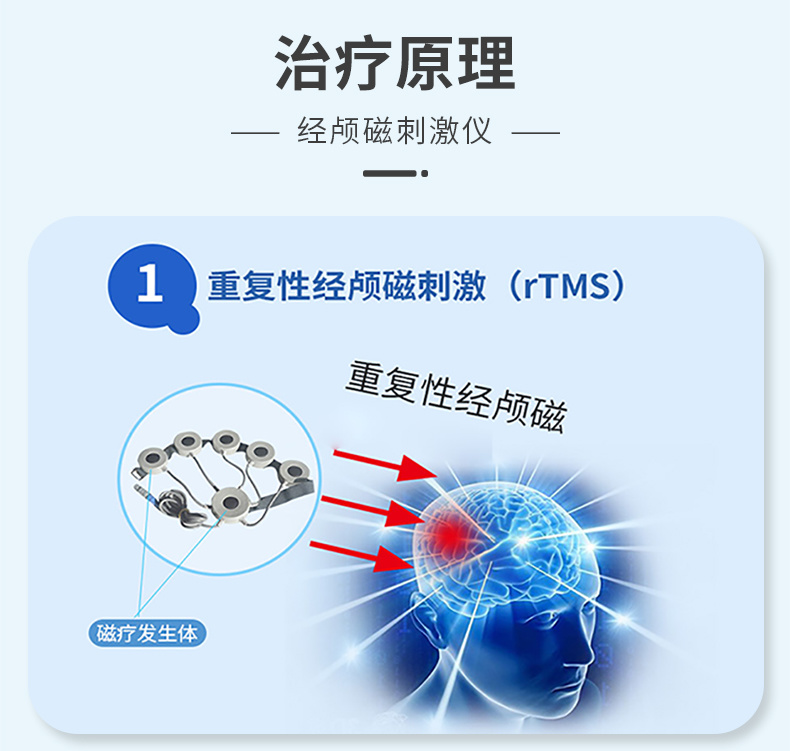
(I) Repetitive Transcranial Magnetic Stimulation (rTMS)-Healing Cap
Based on brain physiology, magnetic biology, biophysics and clinical encephalopathy therapeutics, transcranial magnetic stimulation (alternating electromagnetic field of negative polarity) is output by a specially designed therapeutic generator. The physiological effects of transcranial magnetic stimulation on brain tissue are mainly manifested in the following aspects:
1. Increase cerebral vascular elasticity
2. Improve blood circulation in the lesion area
3. Improve the metabolic environment of brain tissue
4. Guide the patient's brain magnetic function to normalize and order.
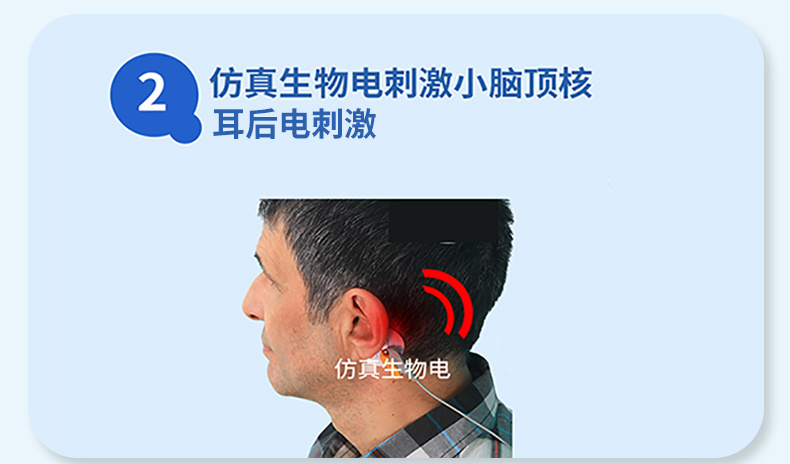
(II) simulation of biological electrical stimulation of cerebellar fastigial nucleus-postauricular electrical stimulation
Simulated bioelectricity (disordered wave) stimulates cerebellar fastigial nucleus, brain cells and cerebral blood vessels through extracranial mastoid acupoints, and plays a role in the recovery of brain function through the following three aspects:
1, diastolic cerebral blood vessels, improve vascular elasticity, increase cerebral local blood flow, improve cerebral blood microcirculation.
2. Start the brain endogenous neuroprotective mechanism, protect nerve cells, improve the metabolic environment of brain cells, and accelerate the metabolism of damaged brain cells.
3. Stabilize the brain cell membrane potential, inhibit the depolarization wave, and guide the abnormal EEG to normal.
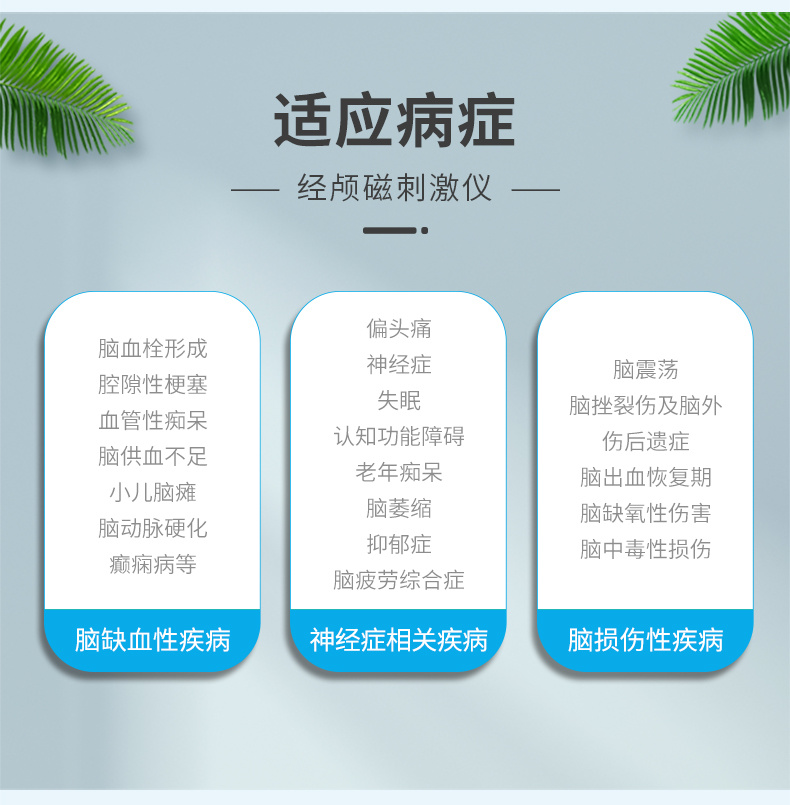
Indications (reference conditions) are as follows:
Mental system related diseases: migraine, neurasthenia, insomnia, cognitive dysfunction, Alzheimer's disease, brain atrophy, depression, brain fatigue syndrome
Ischemic cerebrovascular disease: cerebral thrombosis, lacunar infarction, vascular dementia, cerebral insufficiency, cerebral arteriosclerosis, epilepsy
Child development-related disorders: motor, posture, intelligence, language, visual perception, growth and development, dental development, emotional and behavioral disorders
Craniocerebral injury related diseases: concussion, brain contusion and brain trauma sequelae, cerebral hemorrhage recovery period, cerebral hypoxic damage, brain toxic damage

Friendly tips:
1. Sincerely thank you for paying attention to the transcranial magnetic stimulator NK-IA02 (magnetic therapy electrotherapy instrument) of Dukang Medical. If you have any questions, please call 400-862-0778 or refer to the contact information of various regions on the company's website www.dukon.cn.
2. For the use and maintenance methods of transcranial magnetic stimulator NK-IA02 products, please refer to the instructions or call Dukang Medical After-sales Service Department 400-865-1778.
3. The main products are: transcranial direct current stimulator, stereo dynamic interference electrotherapy instrument, multifunctional repetitive transcranial magnetic therapy system NK-IB02 high-end type (transcranial magnetic stimulator), transcranial magnetic brain reflex electrotherapy instrument, transcranial magnetic stimulator, transcranial ultrasound electrotherapy instrument, swallowing neuromuscular electrostimulation instrument, electroencephalogram bionic electrostimulation instrument, full-automatic computer thermostatic electrowax therapy instrument series, computer language evaluation and training system, air wave pressure therapy instrument, digital OT evaluation and training system, virtual scene interactive training system and other products are now facing the national investment promotion agency. Welcome to join 400-862-0778.


 微信公众号
微信公众号
 手机客户端
手机客户端